




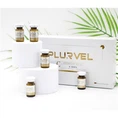

Dermal Filler
Why Choose Us
Perienced and Qualified Professionals
We have a team of experienced and qualified professionals who have been providing medical aesthetics services for many years.
Advanced Equipment
Medical aesthetics practices utilize state-of-the-art technologies and equipment, allowing for better results with less downtime.
Quality Services
We strive to provide high-quality services that meet the needs of our clients. Our team ensures that all our services are delivered to the highest standard.
24H Online Service
We try and respond to all concerns within 24 hours and our teams are always at your disposal in case of any emergencies.
What is Dermal Filler
Dermal fillers are gel-like substances that are injected beneath the skin to add volume, contour the face, and smooth out wrinkles and lines. They are made from hyaluronic acid or other biocompatible materials and can be used to enhance features such as the lips, cheeks, and jawline. Dermal fillers are often used as a non-surgical alternative to plastic surgery and can provide natural-looking results that last several months up to a year or more.


Advantages of Dermal Filler
Erase lines and wrinkles
Wrinkles form when aging skin begins to sag. Nasolabial folds are the lines that form around your nose and mouth. Also called marionette lines, smile lines, and parenthesis, they’re often deep-set and difficult to ignore.
Minimally invasive injectables that contain hyaluronic acid gel, which restores volume below the surface of your skin to fill in those wrinkles. Dermal fillers tackle moderate to severe nasolabial folds, and the hyaluronic acid is a natural humectant that draws moisture to fight signs of aging.
Plump thin lips
It’s not uncommon for lips to get thinner as the years go by. Loss of volume and changes in skin texture can make lips become less prominent and even create vertical lip lines that make you look and feel older.
Dermal fillers target volume loss in your lips. Fillers can plump your lips, adding a more youthful fullness and eliminating the lines that can make lipstick drift.
Lift tired cheeks
Just like your lips, your cheeks lose volume over time. Sagging, crepey skin and decreased facial fat can leave you with sunken cheeks and a permanently tired-looking appearance.
Some dermal fillers, are specially formulated to restore volume to your cheeks. The filler adds volume below your skin’s surface to lift your cheeks and give you a younger, fresher appearance.
Deliver natural-looking results
Use hyaluronic acid, a substance that’s naturally found in your skin. It boosts moisture retention within your skin and adds volume where it’s needed the most, for results that look naturally beautiful.
Dermal fillers are completely customizable. Based on your face and your goals, our injectors recommend the best brand, amount of fillers, and locations for your injections to revitalize your skin without making it look like you’ve “had work done.”
Zero downtime
Hyaluronic acid instantly fills in lines and adds volume, so you leave our office with smoother, more voluminous facial features.
There’s no downtime with filler injections. You can return to your normal daily activities immediately afterward. Depending on the type of filler you have, your results can last anywhere from four months to two years.
What Are the Types of Dermal Fillers

Hyaluronic acid (HA)is a naturally occurring acid in your skin. It gives your skin volume and keeps it hydrated. With age, your body stops making hyaluronic acid. Results from HA injections usually last six months to a year.

Calcium hydroxylapatite (CaHA) is a type of filler that consists of a substance you have in your bones. Results from these fillers typically last around a year. Healthcare providers usually use CaHA fillers for deeper wrinkles.

Poly-L-lactic acid (PLLA) is a substance that helps your body create its own collagen. Healthcare providers usually use poly-L-lactic acid to smooth deep wrinkles on your face. The results can last two years or more.

Polymethylmethacrylate (PMMA) fillers consist of collagen and very small balls that stay under your skin after your healthcare provider injects them. The balls give your skin volume and keep it firm.
Uses of Dermal Filler
Here are eight popular uses for dermal fillers:
Adding shape and volume to the lips
While some people naturally have full and plump lips, there are more people who don’t. The fact that the lips commonly thin with age doesn’t help either!
This is why more and more people have been turning to dermal fillers to add volume and shape to their lips. This simple treatment can really make a huge difference to your overall look.
Fading away laugh lines
Laugh lines are pretty much an unavoidable part of aging, especially for people who are quite expressive.
However, if you have taken a dislike to your laugh lines, dermal fillers can help you to clear them.
Sculpting the jaw and chin
When used on the chin, dermal fillers can:
Stiffen the skin
Define the chin and jowls
Minimize the appearance of a weak chin
Lengthen the chin to balance out facial proportions
Treating acne scarring
The fillers are usually injected just beneath the scars. These then have the effect of lifting up depressed scars, giving the skin a smoother and brighter appearance.
The way in which the injection needle targets the fibroblast cells in the skin also stimulates your skin into producing more collagen and elastin. This gives you longer-lasting results from the treatment, as your skin will be working harder to heal itself.
Some fillers are also able to break up the bands in the skin that cause the scars, making them even less noticeable over time.
Clearing tech neck lines
It’s the horizontal wrinkles and lines that appear on the neck, due to you constantly bending your neck downwards.
Of course, even if you don’t do this, you may still experience lines on your neck due to age. The skin here is much thinner and more delicate than people realize, meaning that it does not take long for it to become loose and wrinkled.
This is where dermal fillers come in.
They provide pretty much instant results to tech neck, plumping this area up and restoring its youthful appearance.
Adding volume to hollowness underneath the eyes
This is common, and is due to the natural loss of collagen and elastin that occurs with age. This results in the skin losing its volume and structure, leading to the hollowness. This hollowness is sometimes also referred to as a tear trough.
Since dermal fillers are so effective at restoring lost volume and plumping the skin back up, they are a great option to consider if you want to treat this hollowness.
Not only will the fillers have an immediate effect, but the way in which they stimulate the skin into naturally producing more collagen and elastin will help to add volume to this area over the long term.
Rejuvenating aging hands
The skin on your hands is quite thin, with this thinness increasing with age. The hands also tend to be exposed to various environmental factors far more than the rest of the skin on your face and body, be it sun exposure, water or just wear and tear.
This is why the skin on the hands is so susceptible to wrinkles and blemishes. They also tend to take on a crepey appearance with age. While there are several treatments that can help with this, from laser resurfacing to chemical peels, dermal fillers are the only way to restore the smoothness and firmness to the skin here.
Tightening up the earlobes
Because, over time, your earlobes may start to sag, and can also take on fine lines and wrinkles. If you have holes in your earlobes from piercings, these holes can expand as your earlobes sag, which is something that nobody wants.
Turn to dermal fillers, of course!
These will plump and tighten your earlobes back up, smoothing out any lines or creases. By restoring volume to your lobes, any earrings that you wear will also sit much better against your face. Of course, in order to keep your results around for as long as possible, you should still try to avoid earrings that are extremely large or heavy.
The duration of the effects of fillers varies depending on several factors, including the type of filler used, the area treated, and the individual's metabolism. Generally, fillers can last from 6 months to 2 years, but some can last up to 5 years. It is important to note that results are not permanent and touch-up treatments may be required to maintain the desired effect.

What to Do Before Lip Fillers and Injections
One week prior to lip injections
Avoid blood thinning over-the-counter medications such as aspirin, Motrin, ibuprofen, and Aleve.
Avoid supplements, including St. John’s Wort, Gingko biloba, primrose oil, garlic, ginseng, and Vitamin E.
2 days prior to injections
Avoid topical products such as Tretinoin (Retin-A), Retinol, Retinoids, Glycolic Acid, or any “anti-aging” products.
Avoid waxing, bleaching, tweezing, or using hair removal cream on the area to be treated.
Do start taking Arnica two days prior to the procedure. (This is not required, but it will help to lessen bruising.)
24 hours prior to injections
Do not drink alcoholic beverages 24 hours prior.
General recommendations
If you have previously suffered from facial cold sores, there is a risk that the needle punctures could contribute to another eruption of cold sores. Please let your physician assistant know if you are prone.
Do not use dermal fillers if you are pregnant or breastfeeding, are allergic to any ingredients, or suffer from neurological disorders. Please inform us if you have any questions about this prior to your treatment. You can learn more about what to expect from lip fillers in this related blog post.
The day of treatment
Arrive at the office with a “clean face”—washed and without makeup.
In order to maximize your comfort during the procedure, a topical anesthetic may be applied. In some cases, a local numbing medication will be injected into or around the area(s) to be treated.

6 to 10 hours after treatment
Until the swelling and redness have resolved, avoid intense heat in the treated area(s). This includes sunbathing, tanning, saunas, hot tubs, or hot wax.
To help alleviate swelling, we recommend an antihistamine during the day, such as Zyrtec or Claritin, and Benadryl at night.
If there is a visible bump, you can massage the area. Depending on the areas treated and the product used, you may feel “firmness.” These areas will soften and settle with time (usually 1-2 weeks).
Sunscreen and makeup can be applied, and you may use a gentle cleanser on the area.
How To Reduce Bruising After Fillers
Avoid drinking alcohol or partaking in strenuous exercise, as it may result in additional bruising.
To help alleviate bruising, we recommend taking Arnica or Bromelain, eating fresh pineapple, and applying ice to the area.
How to reduce swelling after lip injections:
Have fever and/or chills
Have discolored blotches in areas not injected
Have blanching of injected areas
Notice the area appears red and/or hot to the touch
Have severe or increasing pain

What Should I Pay Attention to When Using Dermal Fillers?
When using dermal fillers, you need to pay attention to the following:
Choose qualified products
The quality and safety of dermal fillers have a great impact on the surgical results. Therefore, it is necessary to choose products that have passed national certification and have reliable quality. At the same time, make sure to purchase from formal channels to avoid using fake and shoddy products.
Choose the right filler
There are many types of dermal fillers, such as silicone, expanded polytetrafluoroethylene, etc. Each filler has its own characteristics and scope of application, and the appropriate filler should be selected based on personal circumstances and surgical needs.
Keep it clean
After the filler is implanted, keep the implant site clean to avoid infection. During the recovery period, do not allow the implant site to get wet or come into contact with unclean objects.
Avoid strenuous exercise
During the recovery period, strenuous exercise should be avoided to avoid affecting the position of the filler and the effect of the surgery.
Avoid squeezing and massaging
During the recovery period, you should avoid squeezing and massaging the implant site to avoid displacement or deformation of the filler.
Regular review
After filler implantation, regular review should be carried out in order to detect and deal with possible problems in a timely manner.
Pay attention to your diet
During the recovery period, you should avoid eating irritating foods, tobacco and alcohol, so as not to affect the effect of the surgery.
Follow medical advice
After surgery, you should follow the doctor's advice and guidance, take medications on time, return for regular check-ups, and observe other postoperative precautions.
How to Choose the Correct Dermal Filler?
Choosing the right dermal filler is key and you need to consider the following factors:
Type and quality of dermis
Different types of dermis require different fillers. For example, different types of genuine leather such as cowhide, sheepskin, and pigskin have different fiber structures and densities, and appropriate fillers need to be selected to ensure penetration and filling effects. At the same time, the quality of the dermis will also affect the choice of filler. High-quality dermis requires finer fillers.
The composition and performance of fillers
The composition of dermal fillers usually includes wax, resin, rubber and other polymer compounds. Fillers with different components have different properties, such as viscosity, permeability, hardening speed, water resistance, etc. Choose a filler that suits your needs to ensure results and longevity.
Packaging and usage of fillers
Dermal fillers are usually packaged in tubes or cans for easy use. Choose a packaging form that suits your usage habits, and pay attention to how to use the filler and operate it correctly according to the instructions to avoid waste and affect the filling effect.
Brand and price
Choosing dermal fillers from well-known brands will provide you with greater security. At the same time, the prices of fillers from different brands will also vary, so you need to make a choice based on your needs and budget.
How long dermal fillers last depends on a variety of factors, such as individual differences, type of filler, implantation technique, and post-operative care.
Generally speaking, the effects of dermal fillers can last about 1-2 years, but this varies from person to person. Some people may only last a few months, while others may last up to 2-3 years.
Additionally, the effectiveness of dermal fillers is related to their ability to stimulate the body's production of collagen. This stimulating effect can appear gradually over several months, so noticeable results may not be seen for several months.
However, it is important to note that different types and uses of dermal fillers may have different maintenance times. For example, for correction of fine lines and shallow scars, results typically last 3 months. For the treatment of moderate wrinkles, deep nasolabial folds and marionette lines, the effects may gradually disappear after 2 months.
When it comes to filler selection, there are some significant differences between dermal fillers and synthetic fillers. Below is a comparison of the two, focusing on sources, biocompatibility, persistence, infection risk and cost.
1. Source
Dermal fillers
Dermal fillers are derived from animal hides, usually cowhide or sheepskin. After these leathers are specially treated and processed, the collagen or other components in them are extracted to make fillers.
Synthetic fillers
Synthetic fillers are substances synthesized from chemical raw materials, usually made of high molecular polymers or other synthetic materials. These fillers are not derived from animals but are synthetically produced.
2. Biocompatibility
Dermal fillers
Because dermal fillers are derived from animal hides, they are more biocompatible with human tissue. Dermal fillers are well compatible with human tissue and are less likely to cause rejection reactions.
Synthetic fillers
Synthetic fillers are man-made substances and therefore may not be as biocompatible as dermal fillers. Synthetic fillers may cause rejection or allergic reactions in the body's tissues.
3. Durability
Dermal fillers
The durability of dermal fillers depends on their ingredients and treatment. High-quality dermal fillers can provide long-term filling results, but over time and wear and tear from use, fillers may gradually lose their effectiveness or fall out.
Synthetic Fillers
Synthetic fillers generally last longer than dermal fillers. Synthetic fillers can provide longer-term filling results due to their greater stability and durability.
4. Risk of infection
Dermal fillers
Dermal fillers may carry some microorganisms such as bacteria or viruses, so strict disinfection and aseptic operation are required during the operation to reduce the risk of infection.
Synthetic fillers
Synthetic fillers are usually strictly sterilized and sterile, so the risk of infection is relatively low. But in some cases, such as improper handling or contamination of the synthetic material itself, there is also a risk of infection.
5. Cost
Dermal fillers
Dermal fillers are relatively expensive because they are derived from animal hides and require special processing and handling. In addition, the production and processing of dermal fillers is complex.
Synthetic fillers
Synthetic fillers are relatively low-cost because they are derived from chemical raw materials and the production process is relatively simple. In addition, synthetic fillers are typically produced in larger quantities, which also helps reduce costs.
Our Factory
URWAY has been focusing on the field of medical aesthetics for many years, and has been committed to the development, production and sales of PDO thread and hyaluronic acid.
URWAY has its own independent brands - MIYADERM (dermal filler), MIYALIFT (PDO thread) and MSMIYA (skin care). In addition, the company also operates a variety of beauty equipment and other related products.
URWAY has been adhering to the principle of "high quality, excellent service". Create a one-stop shopping experience.
The company operates to the highest regulatory standards and complies with local and international directives. Products have the most advanced sterilization technology and strict quality assurance.
Now URWAY has a stable and mature global market network and a large number of loyal consumers.

certificate

FAQ
As one of the leading dermal filler manufacturers and suppliers in China, we warmly welcome you to buy or wholesale cheap dermal filler from our factory. All customized products are with high quality and low price.
Meso Fat Dissolve Injection, Cross Linked Hyaluronic, Acido Hialuronico Injetavel