




Does Fat Dissolving Hyaluron Pen Work?
Introduction:
In the world of aesthetics and beauty, there is always a constant quest for new treatments and techniques to enhance our physical appearance. One recent trend that has gained significant attention is the use of the fat dissolving hyaluron pen. This non-surgical procedure claims to eliminate unwanted fat and reshape the body without the need for traditional liposuction or other invasive methods. However, with any new treatment, it is crucial to question its effectiveness and consider the scientific evidence behind it. In this article, we will delve deeper into the fat dissolving hyaluron pen and determine if it truly works.
Understanding the Fat Dissolving Hyaluron Pen:
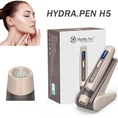
The fat dissolving hyaluron pen, also known as the hyaluron pen injector, is a device designed to deliver hyaluronic acid into the subcutaneous fat. It utilizes a pressure technology that creates enough force to introduce the fat-dissolving solution without the need for needles or injections. The fine stream of hyaluronic acid is delivered through the skin, targeting the adipose tissue and supposedly causing the fat cells to dissolve over time.
Proponents of the fat dissolving hyaluron pen claim that it is an effective and non-invasive method to eliminate stubborn pockets of fat in various areas of the body, including the chin, arms, abdomen, thighs, and buttocks. They argue that it offers a convenient alternative to liposuction, which can be costly, time-consuming, and involves a prolonged recovery period.
The Science behind Fat Dissolving Hyaluron Pen:
As with any medical or cosmetic treatment, it is essential to assess the scientific evidence supporting the claims made by the fat dissolving hyaluron pen. However, it is important to note that despite the growing popularity of this procedure, there is a lack of substantial scientific research backing its efficacy.
Hyaluronic acid is a substance naturally found in our bodies, and it is commonly used in cosmetic procedures to add volume and plumpness to the skin. While it has been extensively studied and proven effective in those applications, its role in fat dissolution is relatively new and warrants further investigation.
Some of the limited studies conducted on fat dissolving hyaluron pen have shown promising results. These studies suggest that the injected hyaluronic acid can induce a localized inflammatory response, leading to the breakdown of fat cells. However, these findings are preliminary, and more robust clinical trials are needed to draw definitive conclusions.
The Potential Benefits and Risks:
Potential Benefits:
One of the key advantages claimed by proponents of the fat dissolving hyaluron pen is its non-invasive nature. Unlike surgical procedures like liposuction, the pen does not require incisions, anesthesia, or a lengthy recovery period. It is often marketed as a lunchtime treatment, where individuals can resume their daily activities almost immediately after the procedure.
Another potential benefit is the reduced risk of complications associated with invasive procedures. Surgical interventions carry the risk of infection, scarring, and other adverse reactions. The fat dissolving hyaluron pen eliminates these risks, providing a safer alternative for individuals who may be wary of going under the knife.
Risks and Limitations:
Despite the potential benefits, it is crucial to consider the risks and limitations associated with the fat dissolving hyaluron pen. Due to the lack of comprehensive scientific research, the long-term effects and safety profile of this procedure remain unclear.
Some reported side effects include temporary swelling, redness, bruising, and discomfort at the injection site. These are common reactions and typically subside within a few days. However, more severe complications such as infection, tissue damage, and scarring have also been reported, albeit rarely.
Another significant limitation of the fat dissolving hyaluron pen is its efficacy in treating larger areas of fat. The procedure is primarily designed for small, localized fat deposits and may not produce satisfactory results for individuals seeking substantial fat reduction.
Seeking Professional Advice:
Considering the limited scientific evidence and potential risks, it is crucial to consult with a qualified and experienced medical professional before opting for the fat dissolving hyaluron pen. They can assess your individual situation, provide personalized advice, and determine if this procedure is suitable for you.
Professional medical guidance is especially critical for individuals with underlying medical conditions, allergies, or those who have previously undergone cosmetic or surgical interventions. They can evaluate potential contraindications and determine the best course of action for achieving your desired aesthetic results.
Conclusion:
In conclusion, the fat dissolving hyaluron pen is a relatively new cosmetic procedure that aims to eliminate unwanted fat without surgery. Although some preliminary studies suggest its effectiveness, there remains a significant lack of robust scientific evidence supporting these claims.
While the fat dissolving hyaluron pen offers several potential benefits, including a non-invasive nature and reduced risk of complications, it is crucial to approach this treatment with caution. The limited research, potential side effects, and uncertainties surrounding its long-term safety warrant careful consideration and consultation with a medical professional.
As the field of aesthetics continues to evolve, it is essential to base our decisions on reliable scientific research and professional recommendations. Only through careful evaluation and understanding can we determine the true effectiveness and safety of treatments such as the fat dissolving hyaluron pen.