




Introduction
Hyaluronic acid is a naturally occurring substance in the human body that plays a crucial role in maintaining healthy skin, joints, and even eyesight. This substance is also widely used in the field of beauty and cosmetic medicine as an ingredient in skincare products, dermal fillers, and even pen devices for cosmetic injections. In this article, we will explore in-depth what hyaluronic acid for pen use is, how it works, and its various applications in the field of aesthetic medicine.
What is hyaluronic acid?
Hyaluronic acid (HA) is a glycosaminoglycan, a type of molecule found in connective tissues throughout the body, including joints, skin, and eyes. It is a clear, viscous substance that can hold up to 1,000 times its weight in water, making it an excellent moisturizer and lubricant. In the skin, HA is responsible for maintaining hydration levels, plumpness, and firmness. In joints, it acts as a shock absorber and lubricant, preventing wear and tear on cartilage and bones.
What is hyaluronic acid for pen use?
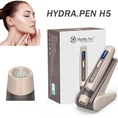
In the field of aesthetic medicine, hyaluronic acid is commonly used as a dermal filler to restore volume and contour to the face, lips, and hands. In recent years, a new application of hyaluronic acid has emerged, which involves using a pen device to inject the substance into the skin. This method is known as hyaluronic acid pen treatment and is gaining popularity among beauty professionals and clients alike.
How does hyaluronic acid pen treatment work?
The hyaluronic acid pen is a handheld device that uses a high-pressure system to release hyaluronic acid into the skin through a small needle-less injector. The pen is powered by a mechanism that creates air pressure in the chamber, which then forces the substance out through the injector. This process is known as jet injection or needle-free injection, and it is a relatively painless and non-invasive method of delivering hyaluronic acid to the skin.
What are the benefits of hyaluronic acid pen treatment?
Compared to traditional needle injection methods, hyaluronic acid pen treatment offers several benefits. Firstly, it is less invasive, as there is no need for needles and anesthesia. This makes it a more comfortable and less intimidating procedure for clients. Secondly, the pen device allows for a more even and controlled delivery of the substance, resulting in more precise and natural-looking results. Thirdly, the hyaluronic acid pen treatment has a shorter recovery period, as there are no puncture wounds or incisions to heal.
What are the risks and side effects of hyaluronic acid pen treatment?
As with any cosmetic procedure, there are risks and side effects associated with hyaluronic acid pen treatment. The most common side effects include bruising, redness, swelling, and tenderness at the injection site. These symptoms usually resolve within a few days to a week. However, there is a small risk of more severe complications, such as infection, allergic reaction, and tissue damage. It is essential to discuss any concerns or medical conditions with your beauty professional before undergoing hyaluronic acid pen treatment.
What are the applications of hyaluronic acid pen treatment?
Hyaluronic acid pen treatment can be used for a range of cosmetic purposes, including:
- Lip augmentation
- Cheek contouring
- Nasolabial fold reduction
- Hand rejuvenation
- Scar reduction
- Skin hydration
Conclusion
Overall, hyaluronic acid pen treatment is an innovative and effective method of delivering hyaluronic acid to the skin. This non-invasive procedure offers numerous benefits compared to traditional injection methods and has several applications in the field of aesthetic medicine. While there are risks and side effects associated with hyaluronic acid pen treatment, with proper consultation and training, it can be a safe and valuable tool for beauty professionals and clients alike.